

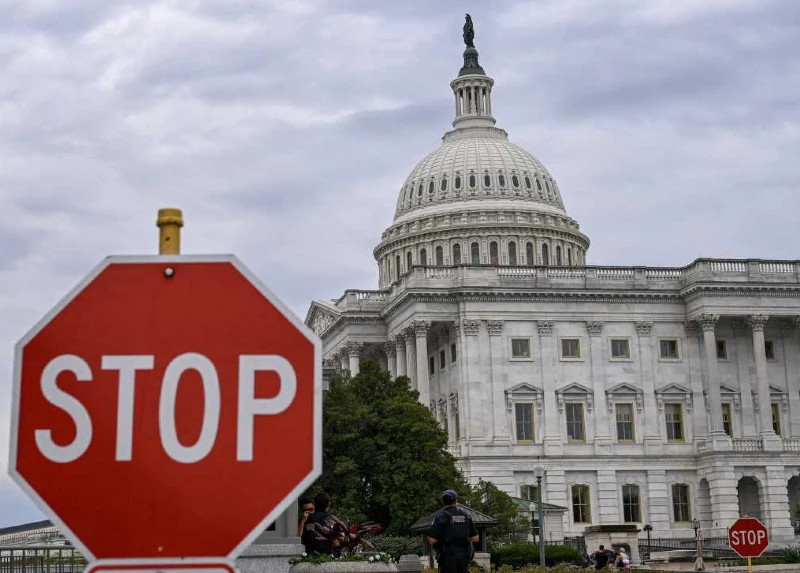
The American government has been shut down for over 24 hours, and it is expected to continue for at least three days. The announcement has created a situation of furlough for workers and is likely to impact a dozen services. This is the second such incident since 2018, and as per reports, the shutdown will continue for three days before the Senate is out of session for Yom Kippur, the Jewish holiday.
The shutdown will not only impact the US citizens but also Indians who are looking forward to travelling to America, or are in the visa process. The US embassy also announced post-shutdown that its account will not be updated regularly due to lapses owing to the shutdown. The Congressional Budget Office estimates suggest that the shutdown could lead to a furlough of 750,000 officials every single day, with cost compensation amounting to $400 million.
As per federal agencies, the shutdown will lead to the shutdown of a lot of “non-essential activities”. This included research works, customer services, and other similar work. Important activities like military services and border guards will continue to do their jobs, but their wages are also expected to be withheld until the congressional dispute resolves.
The dispute arose over the democrats’ demand for funding to reduce the rising health insurance costs. They are also demanding that Trump’s administration reverse the medicaid cut introduced in the bill passed during the summer session. This, along with the extension of tax credit, will reduce the burden of health insurance and make it accessible for people who buy it from marketplaces that are built under the Affordable Care Act. Republicans, on the other hand, have refused to take any action on this, calling it a nonstarter proposal, as they explained that it will cost more than 1 trillion USD to the taxpayers.
The bill to extend the funding was defeated, causing the shutdown on Wednesday, as the Democrats refused to back out and the Republicans also continued their stance. Data suggests that the US has experienced 20 funding gaps since 1977, this one being the 21st such event.