



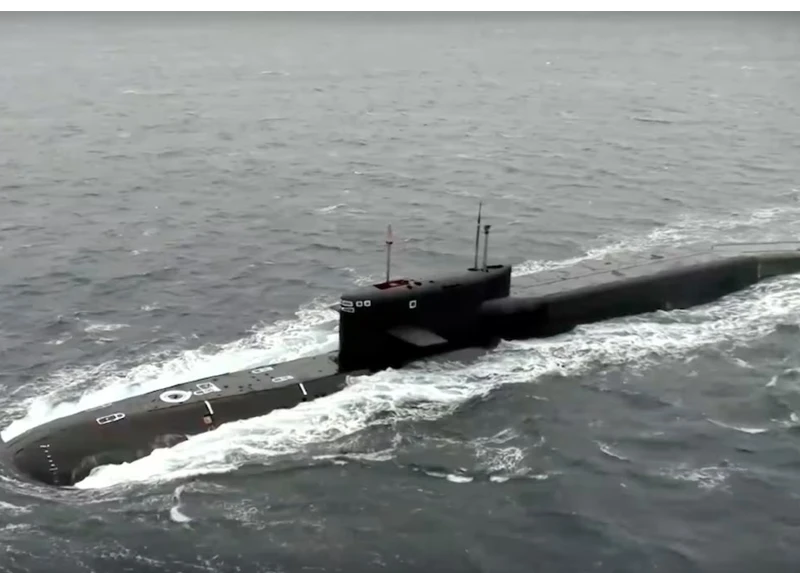
During Putin’s visit to India, New Delhi signed a deal to acquire a nuclear-powered attack submarine from Russia. The move aims to increase its ballistic-missile-carrying ships capability and boost the SSN(Ship, Submersible, nuclear) programme of the country. This is one of India’s largest sea-based deterrent moves, as INS Arihant was commissioned around the same time as the President of Russia visited India.
Bloomberg reported that the deal was finalised after negotiations for almost 10 years. India is now close to finalising the deal to acquire the nuclear-powered attack submarine from Russia; the valuation of the deal is 2 billion dollars. The delays were caused due to disagreement over technicalities and cost, but as per the latest update, Indian authorities have visited the Russian shipyard and reviewed the progress.
Further reports highlight that both sides have worked on the gaps, and the shipment is said to be delivered within two years. The timing and context of the deal are significant, as India is trying to strengthen its relations with both Russia and China, while also managing the tense situation with the US, over the penalty tariffs imposed by the Trump administration.
Trump has time and again pushed India to reduce its ties with Russia, but the latest development shows that the India-Russia partnership is stronger than ever, especially in the defence sector, where only some countries possess the latest technology and often the intention to share the same.
India will lease the nuclear submarine for a term of 10 years, but as per the terms and conditions of the agreement, it cannot deploy it for combat purposes. However, it will help to train the sailors, enhance nuclear submarine tactics and operations, and also support India’s navy as it looks forward to manufacturing indigenously designed submarines.
This is not the first time that India has leased a vessel from Russia, as an earlier leased vessel was returned in 2021 and has been in Indian service for a long time. As of now, only a few countries, including the US, Russia, China, France, and the United Kingdom, have the technological know-how to maintain a nuclear-powered submarine. Australia and South Korea are also exploring routes to join the circle, while India already has a domestic nuclear submarine plan under construction.