

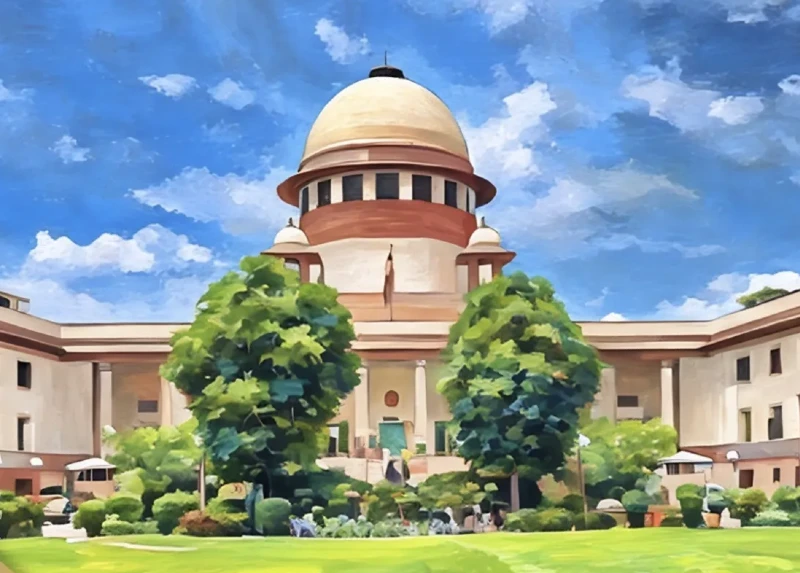
After days of protest and appeal, the Supreme Court stayed the suspension order of Kuldeep Singh Sengar’s life term in the Unnao rape case. The Supreme Court bench consisted of Chief Justice of India, Surya Kant, Justice Augustine George, and Justice J.K. Maheshwari. The court issued a notice, and the justice bench also noted that there is ambiguity over the definition of a public servant under POCSO.
Solicitor General Tushar Mehta appeared on behalf of the CBI and advocated that the expelled BJP MLA be found guilty under POCSO, and also of killing the victim’s father. On 23rd December, the High Court of Delhi gave an order suspending his life term on the pretext that he had already served seven years and five months in jail. The order created chaos and public disappointment.
Sengar challenged the 2019 court verdict, but now he will serve a further term, as he is also accused of the custodial death of the victim’s father. The court clarified that the convicts will stay in jail without any doubt, and also stated that the suspension order of any term is not stayed without hearing the case of the convict. But in the current case, the facts were peculiar, demanding immediate intervention by the top court.
The CBI appealed before the Supreme Court regarding the matter, and the crux of the matter lay in whether an MLA is considered a public servant as per POCSO, or not. The Solicitor General clarified this stance, stating that he was found guilty as per the act, and also of the death of the victim’s father. Senior advocates Siddharth Dave and N Hariharan, appearing for Sengar, however, claimed that an MLA can not automatically be held as a public servant under POCSO.
The court has countered this view, and even warned that this was narrow and dangerous, as it can automatically keep the lawmakers outside the purview of the act, exempting them from strict punishments.