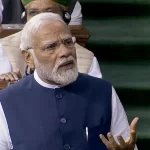



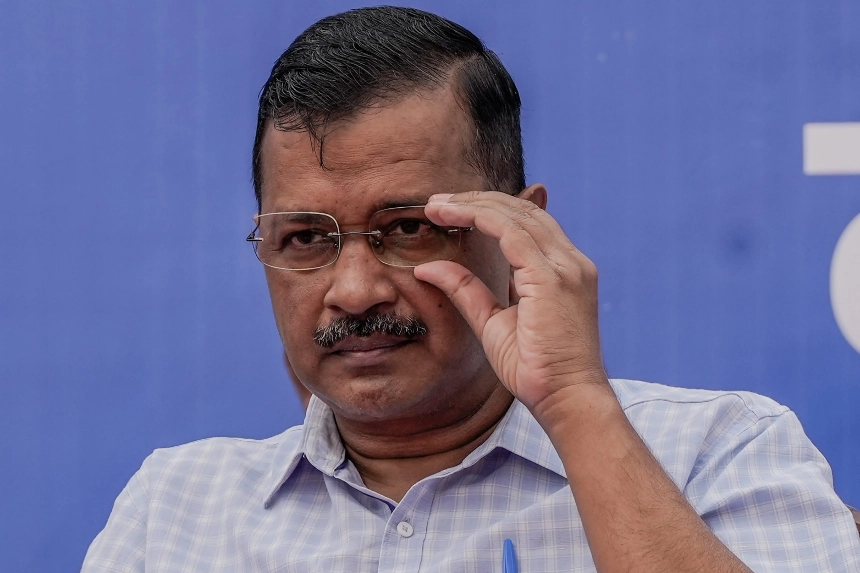
In a bold move that has caught the attention of citizens and political analysts alike, Delhi Chief Minister Arvind Kejriwal has officially written to Union Home Minister Amit Shah, expressing grave concerns over the rising crime rate in the national capital. With the 2024 elections looming, Kejriwal’s letter comes as a sobering acknowledgment of the safety issues that have plagued the city, igniting fears among its residents.
Kejriwal’s letter highlights a stark reality: Delhi has seen a significant increase in crime rates over the past few years, earning it the dubious title of the “capital of crime” in India. The Chief Minister’s remarks reflect a growing unease among the populace, who feel increasingly vulnerable in their own neighborhoods.
In his correspondence with Shah, Kejriwal underscored the urgent need for enhanced safety measures, more efficient policing, and comprehensive community engagement strategies to combat the alarming trend. The issues raised by Kejriwal are not new, as reports from various law enforcement agencies indicate a rise in violent crimes, thefts, and cybercrime.
Delhi has consistently ranked high on the list of cities with the highest crime rates in India, and current statistics paint a troubling picture. According to the National Crime Records Bureau (NCRB), Delhi reported a 30% increase in crime incidents in the last year alone, with a particularly disturbing rise in gender-based violence and crimes against women.
Without safety, there can be no democracy. The people of Delhi deserve to feel secure in their homes and on the streets.
Arvind Kejriwal
In his letter, Kejriwal called on the central government to take immediate action, including the deployment of additional police forces, the installation of surveillance cameras in high-crime areas, and increased funding for community policing initiatives. He emphasized the importance of creating a safe environment for residents ahead of the upcoming elections.
The timing of Kejriwal’s letter is significant, as the 2024 Lok Sabha elections approach. Political analysts suggest that safety and security are likely to be pivotal issues for voters, and with the opposition parties already gearing up to capitalize on security concerns, Kejriwal’s proactive stance aims to solidify his position as a leader who prioritizes the well-being of his constituents.
In response to Kejriwal’s letter, the Ministry of Home Affairs has stated that it takes safety concerns seriously and is working in collaboration with local law enforcement agencies to develop effective strategies for crime prevention. However, critics argue that more decisive action is needed to address the root causes of crime, which include poverty, unemployment, and inadequate mental health support.
Residents of Delhi have expressed mixed reactions to Kejriwal’s appeal. While many share his concerns about safety, some feel that the state government has not done enough to tackle crime at the ground level. “We need more than just words; we need action,” said Anjali Singh, a local resident. “We’ve seen the crime rates go up, and it’s time for the government to step in and make real changes.”
As the conversation around crime in Delhi intensifies, it remains to be seen how both the state and central governments will respond to the growing calls for action. With the 2024 elections on the horizon, the pressure is on to address what many perceive as a climate of fear in the capital. Kejriwal’s letter to Amit Shah is the beginning of what promises to be a contentious dialogue about safety, governance, and the responsibility of elected officials to protect their citizens.