



The 2026 edition of the QS World University Rankings Asia has been released, and all Indian institutes, including the top IITs, have shown a sharp decline, while institutes from Singapore, Japan, and Malaysia have outperformed.
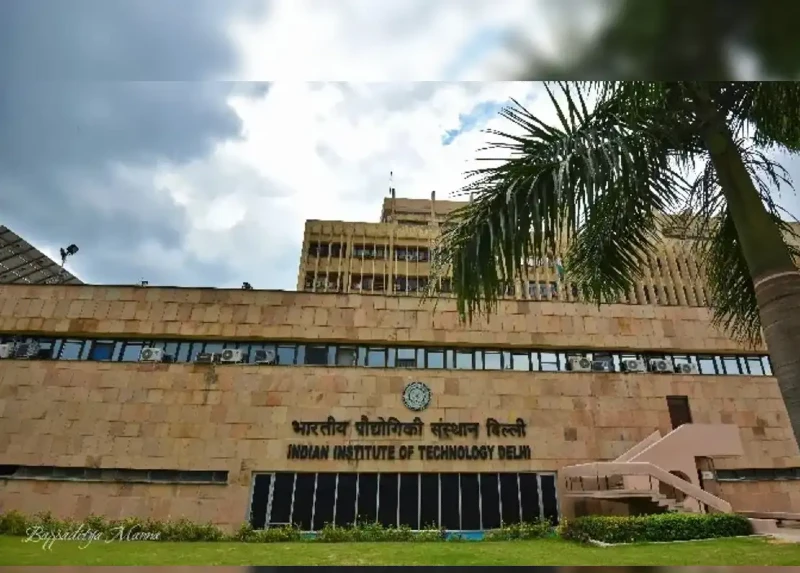
Five of India’s top 10 IITs have seen a drop in ranking. This includes IIT Madras, Delhi, Kanpur, Bombay, and Kharagpur. IIT Delhi, which has secured the top rank in the country’s NIRF rankings for rating higher institutions, has got the 59th rank in the list. Falling 14 positions from 44 last year. In fact, between 2021 to 2025, the institute has ranked between 44 to 47.
Among the top IITs, IIT Bombay’s position has fallen sharply with 23 positions, from 48 to 71. It was also the highest-rated Indian institution between 2021 and 2024. Chandigarh University is the only institution in the top 10 that has seen an improvement in the ranking this year, going up from 120 last year to 109 this year.
The rankings were released by global education analysts Quacquarelli Symonds on Tuesday for Asia. The top 10 institutions in the list belong to Hong Kong, China’s mainland, and Japan. The University of Hong Kong is the first rank followed by Peking University at second. Singapore’s National University and Nanyang University have been tied at the third spot. Institutions from South Korea and Malaysia are also among the top 20 institutions.
Talking to The Indian Express, the QS officials stated that the latest edition of the rankings shows a clear eastward concentration of top institutions, with major improvements in East and Southeast Asian institutions. Comparing the performance of institutes from China, Hong Kong, Malaysia, and South Korea with that of India, they have highlighted that though Indian institutions have a strong reputation, they are facing tough challenges from these countries in terms of research, advancement, faculty resources, and international exposure.
Though the decline in ranks by the Nine of our top 10 institutes is relative to their counterparts, their overall numbers have increased. But this also shows that a lot more needs to be done in terms of improving outreach and research if the Indian institutions are to compete with Asian counterparts.