

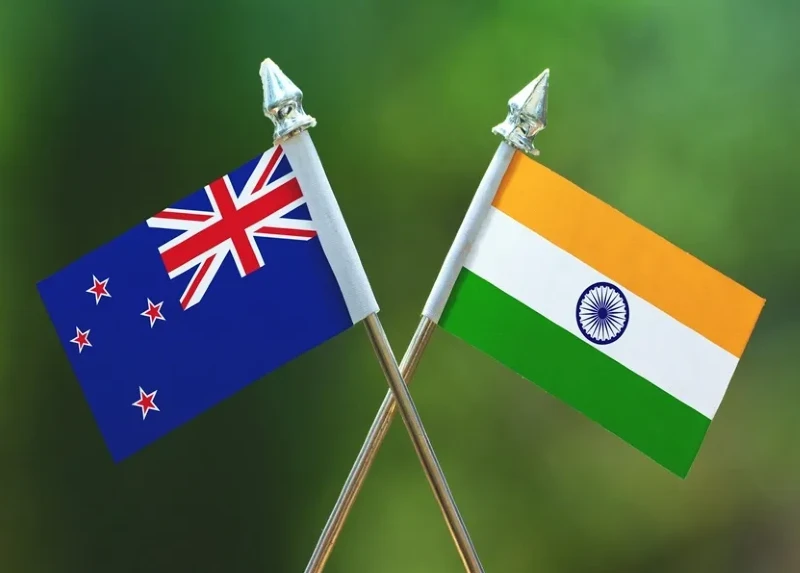
India and New Zealand signed a Free Trade deal on Monday, keeping economic engagement and a long-term partnership. But soon after the deal was signed, the Foreign Minister of New Zealand slammed it as “unfair”. Prime Minister Christopher Luxon has described the deal as “wide-ranging and significant”.
Prime Minister Modi also hailed the deal as significant for the growth of both countries. India is also negotiating a deal with the US and a terms of reference agreement with Canada. However, Winston Peters, the Foreign Minister of New Zealand, slammed the deal, calling it unfair and even vowed to oppose it in the parliament.
Peters called the deal “neither free nor fair”. According to the pact, Indian exporters will get 100 duty-free access to all exports to New Zealand. Wellington, on the other hand, will see a reduced tariff on 95% of its exports to India. Peters said that the deal was unfair. India has not opened its dairy sector for the farmers of New Zealand. He further said that the deal will not benefit New Zealand, as there is no way they can justify it to their farmers, and it was also the first time that New Zealand would exclude their dairy sector products, including cheese and milk, from a Trade deal.
The dairy sectors make up a large part of exports from New Zealand. In 2025 alone, the country’s during sector stood at 13.94 billion, which was 30% of the goods exports of the country. Winston also pointed out that concessions made in the case of immigration and labour under the Temporary Employment entry visa in the Trade deal were also concerning.
He went on to add that the country has offered a lot more share to India’s labour in their market compared to Australia and the United Kingdom. He said that at a time when the labour market is already tight, creating an additional visa for the employment of Indians will threaten job security for the citizens of his country.
He also confirmed that he has personally conveyed the message to the External Affairs Minister of India, Mr S Jaishankar, not as a critique but a concern about the difference between the opinion of the coalition government of New Zealand.